
What is a Fireplace Insert?
How Does a Fireplace Insert Affect Heat Efficiency?
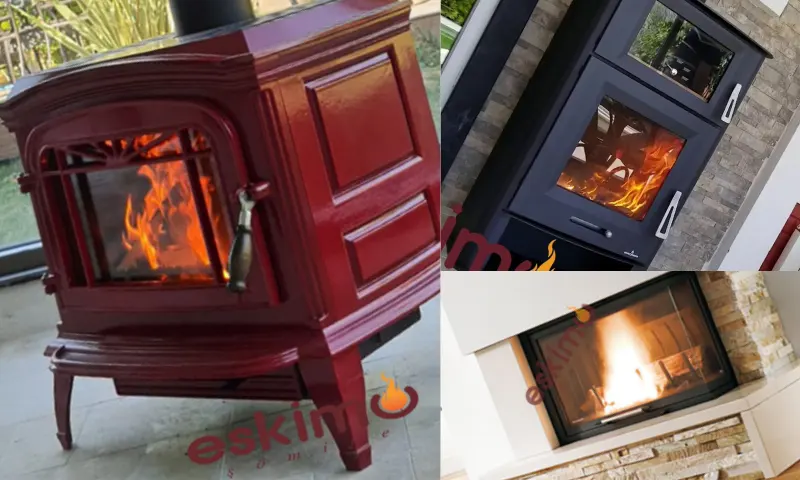
The Fireplace Insert is the main section where heat is generated in a controlled manner, fuel burns safely, and the fire is distributed evenly to the surroundings. This structure directly affects the fireplace's performance and also determines its lifespan. Made of heat-resistant metal or cast iron materials, the fireplace insert balances the high temperature generated during combustion. An insert designed with the right dimensions ensures more efficient fuel burning and prevents unnecessary heat loss. In closed systems, this area, supported by glass, offers both safety and aesthetic contributions. Thanks to controlled airflow, smoke does not blow back, and the ambient air is preserved. For detailed information about Fireplace Inserts, you can visit the web address https://eskimosomine.com/somine-aksesuarlari.
What Should Be Considered When Choosing a Fireplace Insert?
A Fireplace Insert, with its right material quality and internal volume ratio, enables the fuel to produce maximum heat. When the inner surfaces of the combustion chamber are designed to retain heat, the energy obtained remains in the environment for a longer time. This means more heating with less fuel. Smooth inner surface coatings balance airflow and support the continuity of combustion. This structure, which prevents heat from escaping directly outside, contributes to energy savings. The positioning of the insert is also effective on efficiency. When choosing a Fireplace Insert, the size of the usage area, fuel type, and frequency of use should be considered. Excessively large inserts for small areas generate unnecessary heat, while narrow inserts may be insufficient in large spaces. Material quality plays a critical role in safe long-term use. While cast iron inserts retain heat for longer, steel models offer the advantage of quick heating. It is very important that the glass used in glass systems is heat-resistant. Installation compatibility should also be evaluated during the selection process. Inserts that are not compatible with the existing chimney structure can lead to performance issues.