
The Effect of Retinol on the Skin: Its Role in Skin Regeneration
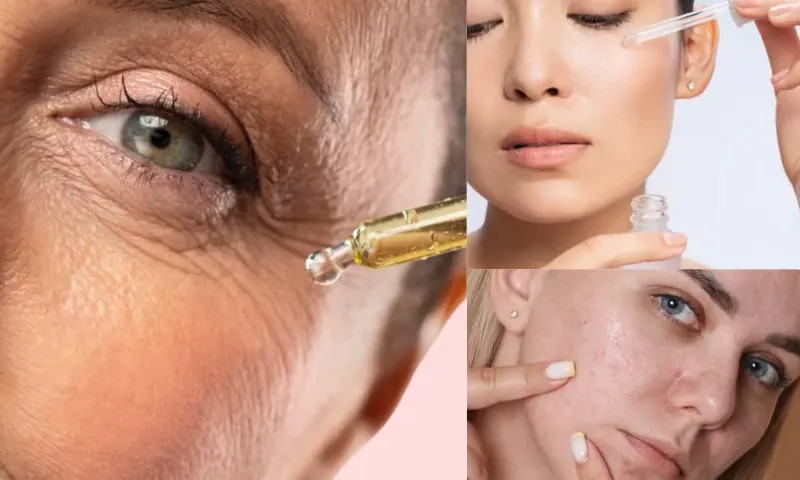
The effect of retinol on the skin is a frequently emphasized topic, especially in anti-aging care products. Retinol, as a derivative of vitamin A, accelerates skin cell renewal and helps to shed dead cells from the skin's surface. This process makes the skin appear smoother and brighter. The effect of retinol on the skin becomes more pronounced with regular use and reduces the appearance of fine lines and wrinkles. Additionally, retinol supports skin elasticity by increasing collagen production. This gives the skin a firmer and plumper appearance. The effect of retinol is evident not only against signs of aging but also in balancing skin tone and reducing the appearance of blemishes. New users can increase their skin's tolerance by starting with low concentrations of retinol and minimizing side effects. For information and to ask your questions, you can check out the relevant online companies on web pages and conduct a detailed review from there.
The Effect of Retinol on the Skin: Regulation of Acne and Pores
The effect of retinol on the skin is not only anti-aging but also very important in controlling acne problems. By accelerating skin cell renewal, retinol prevents pore clogging and reduces existing acne breakouts. Regular retinol use controls the accumulation of oil and dead cells on the skin's surface. This reduces the formation of pimples and blackheads, giving the skin a clearer appearance. The effect of retinol on the skin also regulates skin texture, making pores less visible. Retinol also plays an important role in reducing the appearance of post-acne marks. However, the skin's sensitivity to sunlight can increase during retinol use, so it is very important to use a sunscreen with a high SPF during the day.
The Effect of Retinol on the Skin: Correct Use and Things to Consider
Correct use is of great importance for the effect of retinol on the skin to reach its maximum level. Retinol is generally used at night, as its effect can decrease and cause skin irritation when exposed to sunlight. Users should start with low concentrations based on their skin's tolerance and gradually increase the concentration over time. Redness, peeling, or sensitivity may occur on the skin during retinol use; this can usually be controlled by reducing the frequency of use or supporting it with moisturizers. The effect of retinol on the skin becomes apparent in the long term with regular use, providing a youthful, healthy, and smooth appearance to the skin. Furthermore, retinol can increase its effectiveness when used in harmony with other skincare products, but expert advice should be sought before using it simultaneously with products containing strong acids or peptides.