
Regional Dumplings: In the Footsteps of Traditional Flavors

Mantı, one of the indispensable flavors of Turkish cuisine, comes to tables with different tastes and presentations due to regional differences. Mantı, which has a unique recipe in each region, stands out with its regional culture and palate tastes. In this article, we will focus on the regional mantı varieties and their characteristics from various regions of Turkey. For information on this subject and to ask your questions, you can visit the relevant online companies on the internet pages and examine them in detail from here.
Regional Mantı Varieties and Recipes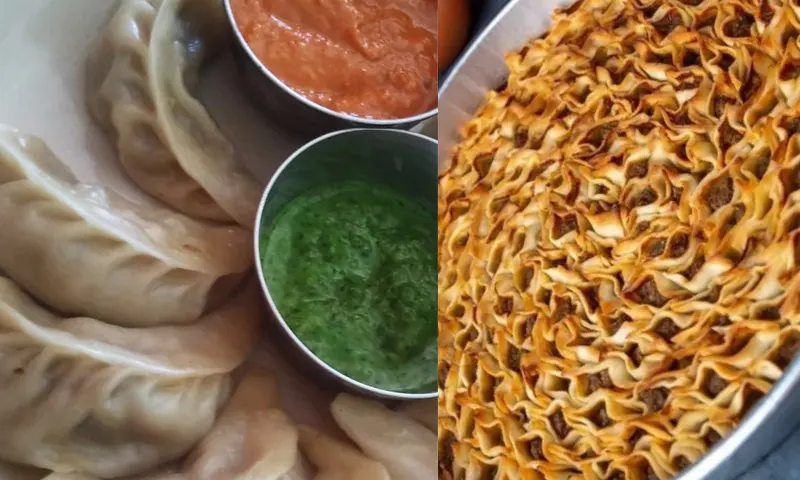
- Kayseri Mantısı: Kayseri mantısı, one of the most famous mantı varieties in Turkey, is prepared by filling thinly rolled dough with minced meat and spice mixture. The mantıs are small in size and are usually served with yogurt and tomato paste.
- Kastamonu Mantısı: The mantı variety unique to the Kastamonu region is prepared larger and meatier. Kastamonu mantısı, with its thickly rolled dough, is usually served with yogurt and butter sauce.
- Sivas Mantısı: The mantı variety belonging to the Sivas region is smaller in size compared to others, and minced meat and onion are used as the filling. The mantıs are usually served with yogurt and butter sauce.
The Cultural Importance of Regional Mantı
Regional mantıs are important elements reflecting the richness and diversity of Turkish cuisine. The mantı recipes, which differ in each region, reflect the unique cultural and geographical characteristics of that region. At the same time, regional mantıs are a traditional flavor heritage passed down from generation to generation. Regional mantıs are an important part of Turkish cuisine and have great importance in terms of culture and taste. Mantı varieties, which differ in each region, reflect the culture and palate of that region. Exploring these regional flavors can help us better understand the richness and diversity of Turkish cuisine.