The History and Cultural Significance of Cheese Varieties
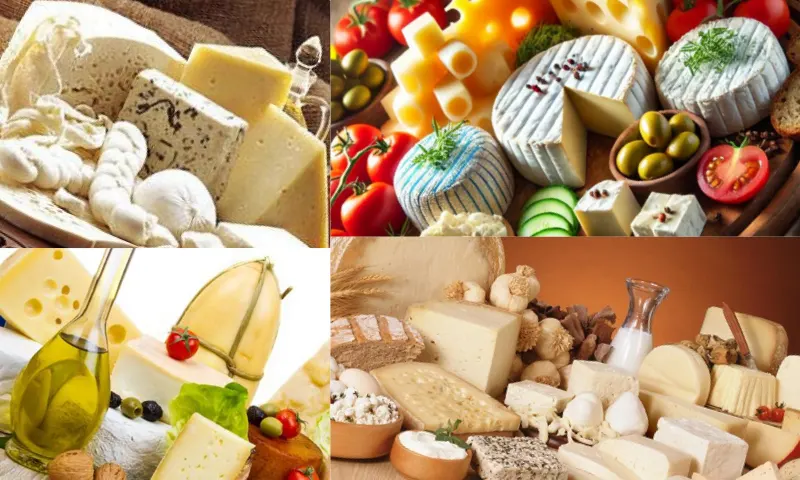
Cheese, a nutritious food derived from dairy products, boasts a history spanning thousands of years. Cheesemaking began in Mesopotamia and Egypt, with historical records indicating its origins date back to 3000 BC. Over time, the use of milk and dairy products increased in different regions, and cheese diversified with unique recipes specific to each culture. In Europe, the Middle East, and Asia, each region developed its own distinct cheese varieties using different methods of cheesemaking. For instance, France, Italy, Greece, and Turkey are among the countries where cheese production is widespread and are renowned for their globally recognized cheeses. To obtain information on this topic and ask your questions, you can explore relevant online companies on the internet and conduct a detailed review there.
World-Famous Cheese Varieties
Cheese varieties differ in taste, texture, production method, and the type of milk used. Some cheeses are produced for fresh consumption, while others are aged to achieve deeper flavors. France's famous Camembert and Brie cheeses are known for their creamy texture and soft consistency. Mozzarella from Italy is a fresh cheese synonymous with pizzas and pastas, while Parmesan, with its firm texture and intense aroma, is frequently used in kitchens. Greece's well-known Feta cheese, with its salty and tangy taste, is an indispensable part of salads. In Turkey, White Cheese (Beyaz Peynir) and Kashar Cheese (Kaşar Peynir) are among the most recognized varieties. Additionally, Çökelek, Tulum, and Lor cheeses are also frequently consumed in Turkish cuisine. These cheeses are products of traditional recipes developed over centuries in different regions.
Nutritional Values and Benefits of Cheese Varieties
Cheese is a rich source of nutrients such as protein, calcium, phosphorus, and vitamin A. While different cheeses vary in their composition, they are generally beneficial for bone health due to calcium and for digestion due to probiotics. Furthermore, cheese provides energy to the body thanks to its rich fat content. The nutritional value of cheese can also change with the aging process. For example, aged cheeses contain more intense flavors and nutrients, while fresh cheeses have a lighter texture. On the other hand, excessive consumption of cheese requires caution due to its high calorie content. However, when consumed in moderation, cheese can be a part of a healthy diet and offers important nutrients to the body.