
What is Natural Food Consumption?

Natural food consumption refers to the preference for foods that do not contain additives, are as unprocessed as possible, and have not been exposed to chemical intervention during their production. Vegetables, fruits, whole grains, legumes, and natural animal products form the basis of this dietary approach. Natural foods are more beneficial for the body as they largely preserve their nutritional values. With the widespread availability of ready-to-eat and packaged products today, turning to natural foods has become an important part of a healthy lifestyle. For information on this topic and to ask your questions, you can look at the relevant online companies on the internet pages and examine them in detail.
Effects of Natural Foods on Health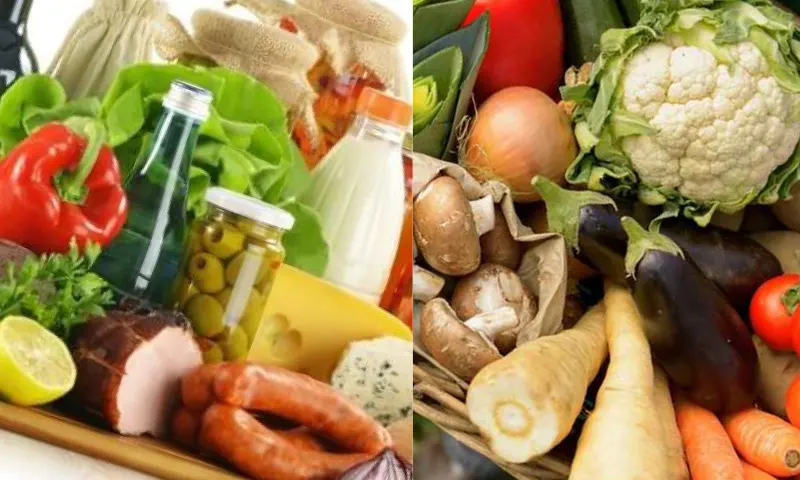
Natural foods are rich in vitamins, minerals, and fiber. Thanks to these properties, they support the immune system, aid in the regular functioning of the digestive system, and balance energy levels. Unlike processed foods containing additives, natural foods reduce toxin buildup in the body. In the long term, natural food consumption can reduce the risk of chronic diseases such as obesity, diabetes, and cardiovascular diseases. Furthermore, natural nutrition positively affects mental health, providing a more balanced mood.
Ways to Increase Natural Food Consumption in Daily Life
To increase natural food consumption in daily life, shopping habits should first be reviewed. Choosing seasonal vegetables and fruits is one of the most fundamental steps of natural eating. Reading labels helps to avoid products containing additives. Cooking at home and using fresh products makes it easier to access natural foods. Additionally, shopping from local producers offers advantages in terms of both freshness and reliability. With small but conscious choices, natural food consumption can transform into a sustainable and healthy lifestyle.