What Are Text-to-Speech Readers?
What Are the Latest Developments in Text-to-Speech Reader Technologies?
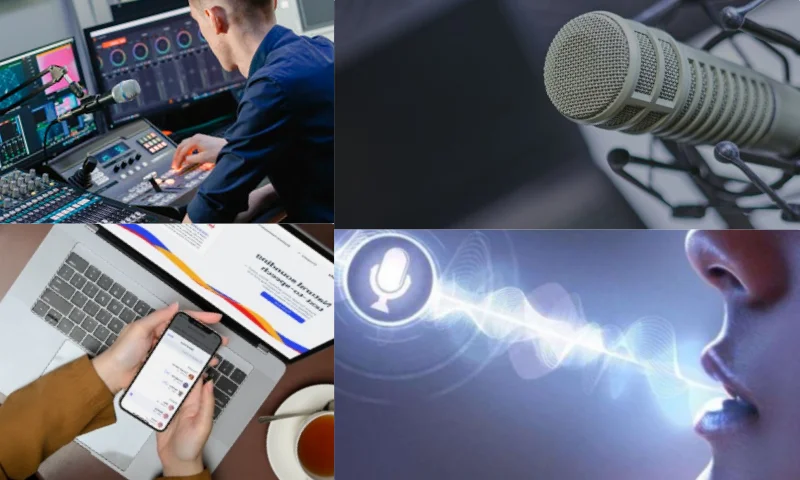
Text-to-speech readers are technological tools that can read written text aloud. These tools can typically be found on devices such as computers, tablets, or smartphones, and they offer users the ability to hear text-based content audibly. Text-to-speech readers were primarily developed to facilitate access to computer-based content for visually impaired individuals. Text-to-speech readers first utilize technologies like optical character recognition to detect specified texts. Optical character recognition converts images or written documents into digital texts, making them understandable by computers. The detected text is processed with text analysis algorithms. At this stage, the text structure is understood, grammar rules are applied, and a correct reading order is determined.
What Are the Text-to-Speech Reader Applications?
Text-to-speech reader technologies are constantly evolving. Recently, the integration of artificial intelligence and deep learning techniques has significantly improved the performance of text readers. AI algorithms enable text-to-speech readers to produce more natural and human-like voices. This helps users better understand the texts. Advanced text-to-speech engines can voice texts with more emotion. This feature contributes to the more effective delivery of stories or emotional content. With recent advancements, text-to-speech readers can now support many different languages. This is a great advantage for multilingual users. There are many text-to-speech reader applications on the market. VoiceOver, integrated into Apple's iOS operating system, is a powerful text-to-speech tool for iPhone and iPad users. TalkBack, developed for Google's Android operating system, provides text reading and device control for visually impaired users. NVDA is a free text-to-speech program for Windows computers. To access more comprehensive information about text-to-speech readers, https://speaktor.com/en/ you can visit the web address.