
Choosing the Right Computer by Determining Your Needs
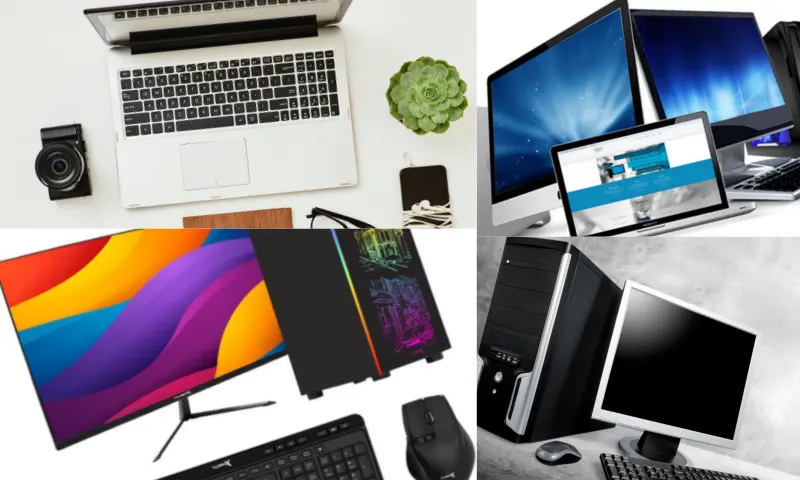
The first step when buying a computer is to clearly define its intended use. Gaming, graphic design, video editing, or simply handling office tasks require different hardware specifications. For instance, someone engaged in professional graphic design or 3D modeling needs a high-performance processor, a powerful graphics card, and ample RAM capacity. In contrast, a computer intended only for internet browsing, email, and simple correspondence can have lower technical specifications. Choices made without determining needs can lead to either unnecessarily high costs or performance deficiencies. For information on this subject and to ask your questions, you can explore relevant online companies on web pages and conduct a detailed review there.
The Importance of Hardware Specifications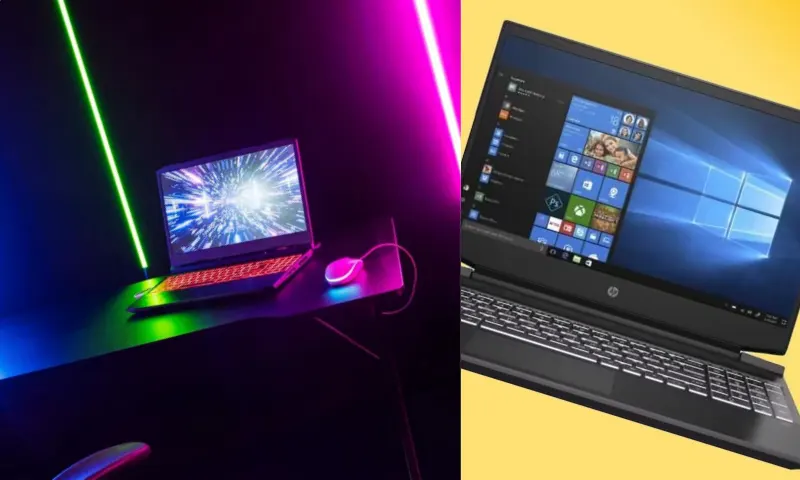
The fundamental elements determining a computer's performance are the processor (CPU), graphics card (GPU), memory (RAM), storage space, and screen quality. The processor acts as the computer's brain, directing all operations. For high-performance tasks, multi-core processors with high clock speeds should be preferred. The amount of RAM affects the number of applications that can be run simultaneously; while 8 GB of RAM is sufficient for basic needs today, 16 GB or more is recommended for professional use. In terms of storage, an SSD ensures fast data reading and writing, increasing the computer's overall speed. The power of the graphics card plays a critical role in gaming or visual tasks. Additionally, screen resolution and color accuracy are of great importance, especially for those working with visual content.
Price-Performance Balance and Investing for the Future
When choosing a computer, it's important to consider not only current needs but also potential future requirements. As technology advances rapidly, opting for a model that will still offer adequate performance even a few years from now provides a long-term advantage. The price-performance balance is a critical point here. A computer with high specifications doesn't always have to be the most expensive; by comparing different brands, you can find a model with powerful features that fits your budget. Furthermore, warranty period, technical service quality, and spare parts availability should also be taken into account during the selection process. In conclusion, choosing the right computer enhances both your productivity and your long-term technological comfort.